Gardening in July
It is now high summer, with the freshness of June replaced by lush growth in the hot weather. The vegetable garden should be getting productive and the later summer flowers come into their own.
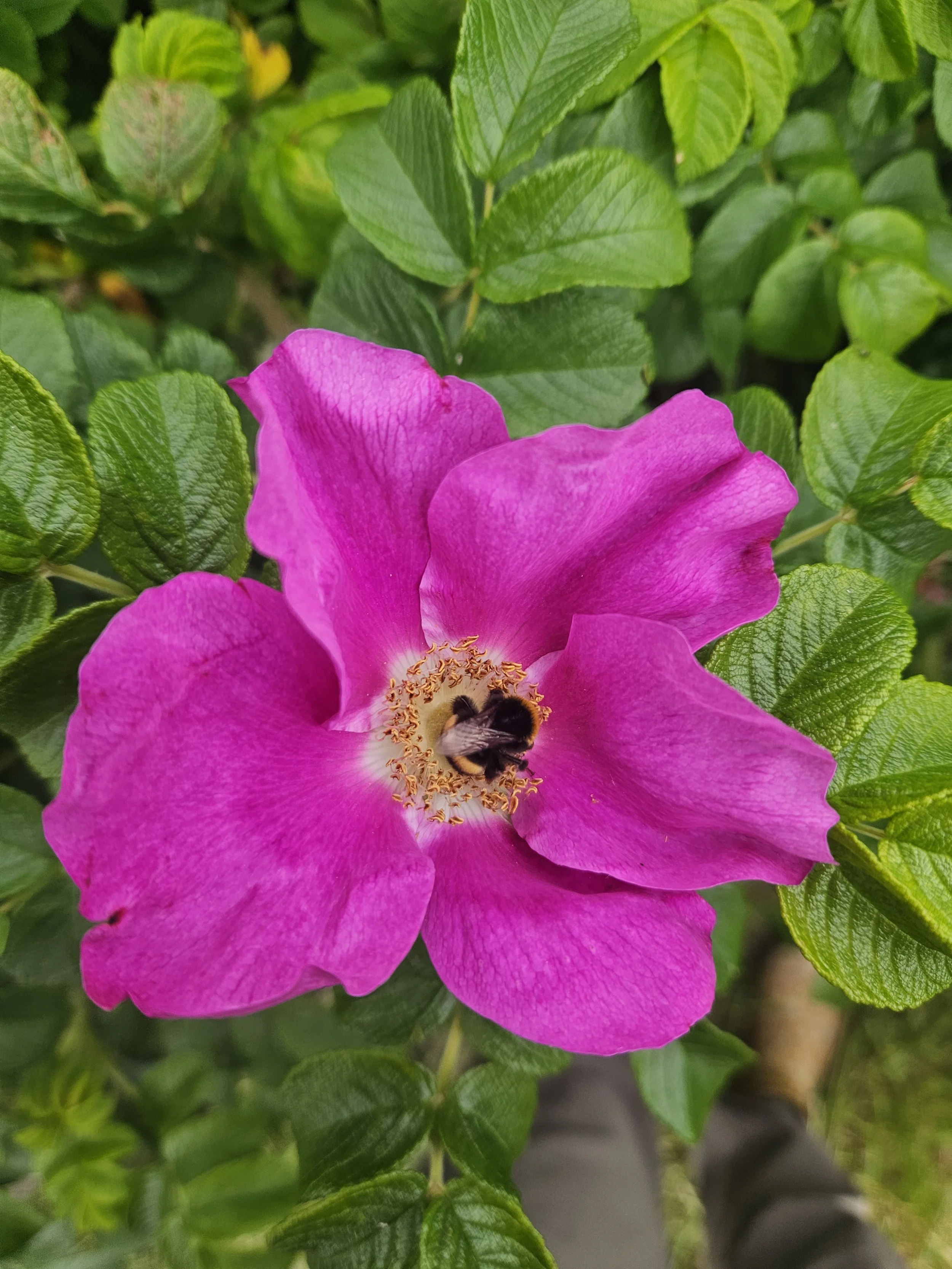
July can bring dry, hot days. Ensure your plants are well watered, especially those in pots or newly planted. Try covering the surface of the soil with mulch (bark chips, compost, dead leaves or wool) which will help prevent evaporation.
If you would like to extend the flowering time of plants, dead-heading is recommended. Cut off the flowers before they develop into seeds so more energy goes into producing more flowers.
If the seeds provide food for birds, such as those of allium, verbena, teasel, coneflower or globe thistle, considering leaving them be. They can also be harvested and stored for sowing next year.
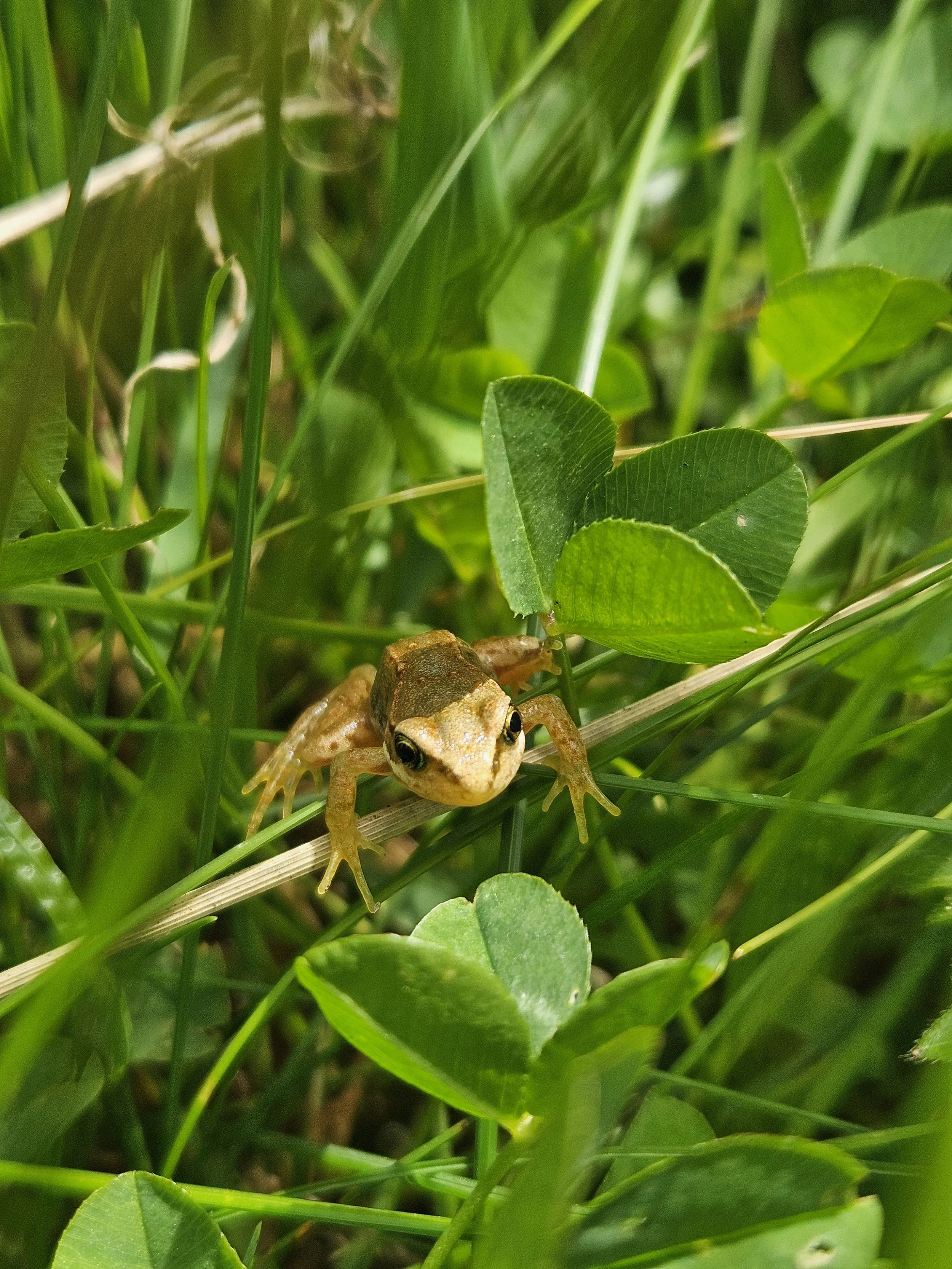
There are still many vegetables that can be sown in July. French beans, chard, radish, scallions and oriental greens grow quickly when sown now.
It is also time to start thinking about winter veg- kale and turnip can be planted now.
They are brassicas, which attract cabbage white butterflies, whose caterpillars will devour them.. To prevent this, cover them with a net. These crops will require regular watering with the summer heat.
Flower seeds sown now will also require consistent watering. If you haven’t sown your biennial flowers, get them in shortly. If you have sown them already, it may be time to pot them on, giving them more room to grow.
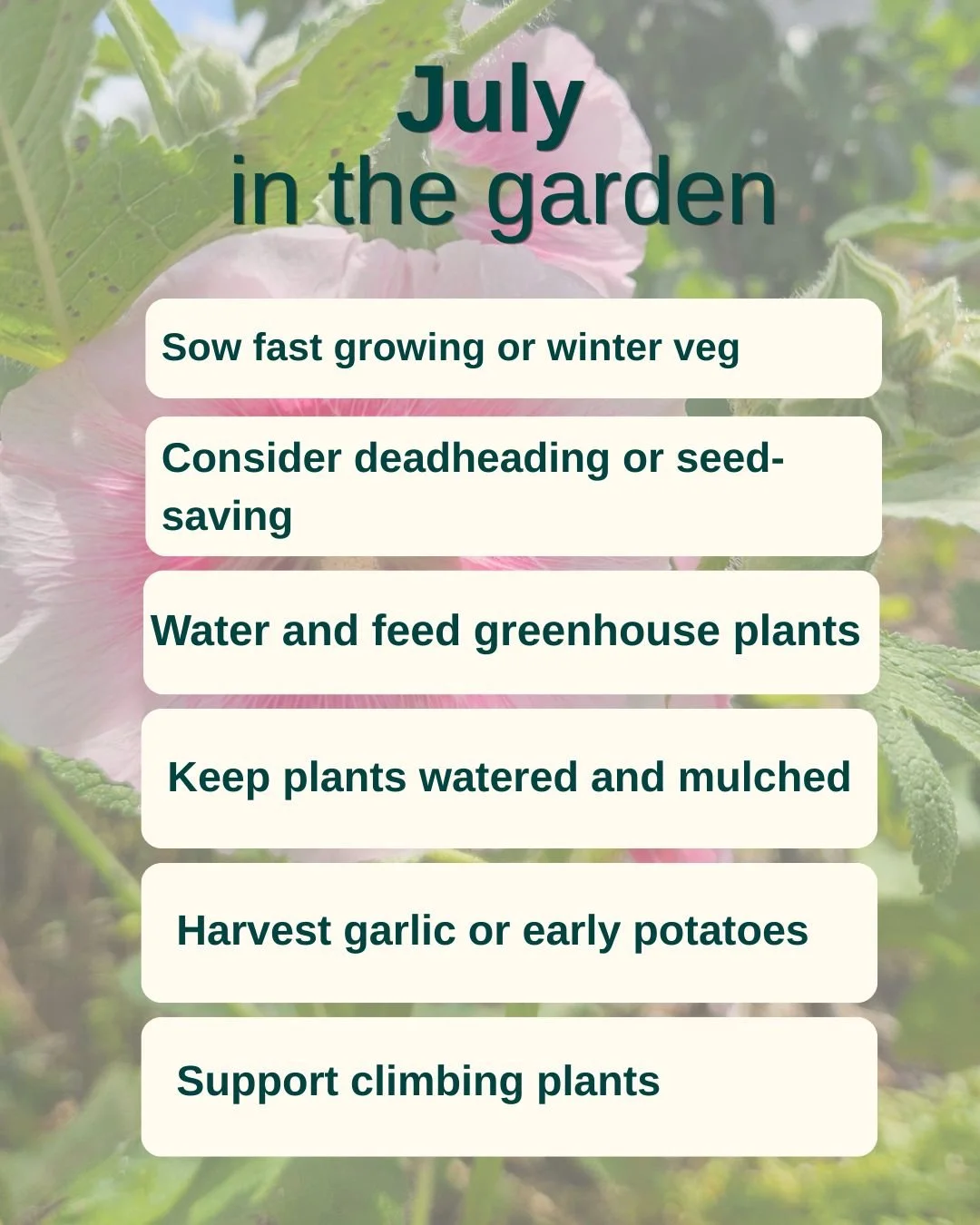
It is time to harvest garlic if you haven’t already done so, waiting until the lower leaves are faded. First early and second early potatoes can be dug up around this time also.
The greenhouse is heating up. Keep up the care and feeding of tomatoes, chillies, cucumber and peppers.
Outdoors, harvest peas and beans as often as possible to keep the harvest coming. For your climbing plants, such as squash, melons or beans, provide them with a frame support, tying in where necessary.